Safer Sleeping
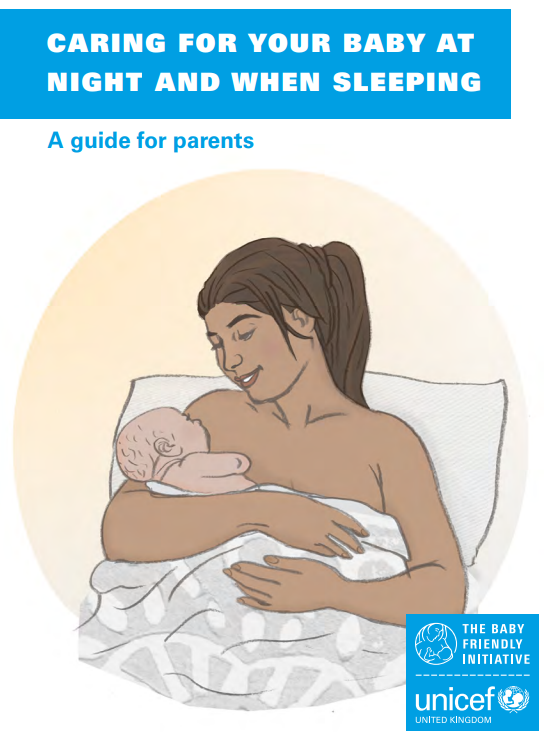
The sudden and unexpected death of a baby is usually described by professionals as Sudden Unexpected Death in Infancy (SUDI) when the child is under 12 months, or Sudden Unexpected Death in Childhood (SUDC) when the child is older. Unexpected infant deaths where no cause can be found are often recorded as Sudden Infant Death Syndrome (SIDS). Although some deaths remain unexplained, strong evidence shows that unsafe sleep environments significantly increase risk, including hazardous co‑sleeping, soft bedding, inappropriate sleep surfaces, and unsafe sleep positions.
The latest ONS data shows that 164 unexplained infant deaths occurred in England and Wales in 2023, a rate of 0.28 deaths per 1,000 live births. Most occur in the first few months of life and are more common among low‑birthweight babies and infants of very young mothers.
Between 2006 and 2014, unexplained sudden infant deaths affected over 200 infants per year across the UK, highlighting that the number of deaths was previously significantly higher than today.
Long‑term reductions in unexplained infant deaths are strongly linked to national safer sleep campaigns and improved guidance. Since the launch of the Back to Sleep campaign, the number of SIDS deaths has fallen by 81%, demonstrating the life‑saving impact of consistent, evidence‑based safer sleep advice.
In Mid and West Wales, professionals must provide consistent, evidence‑based safer sleep advice to families at every opportunity, helping reduce preventable risks.
The Mid & West Wales Safer Sleep Guidance
The Mid & West Wales Safer Sleep Guidance provides clear, evidence‑informed advice to help reduce the risk of sudden and unexpected infant deaths. It outlines the key principles of safer sleep and supports practitioners to identify and respond to unsafe sleep practices.
The guidance is designed for all multi‑agency professionals working with babies and their families, including midwifery, health visiting, early help, social care, police and third‑sector services. It ensures a consistent approach to safer sleep messaging and supports practitioners to take proportionate, appropriate action when concerns arise.

7 Minute Briefing from the Mid & West Wales Safeguarding Board outlining the key safer sleep messages. Download below.

The Office for Product Safety and Standards (OPSS)
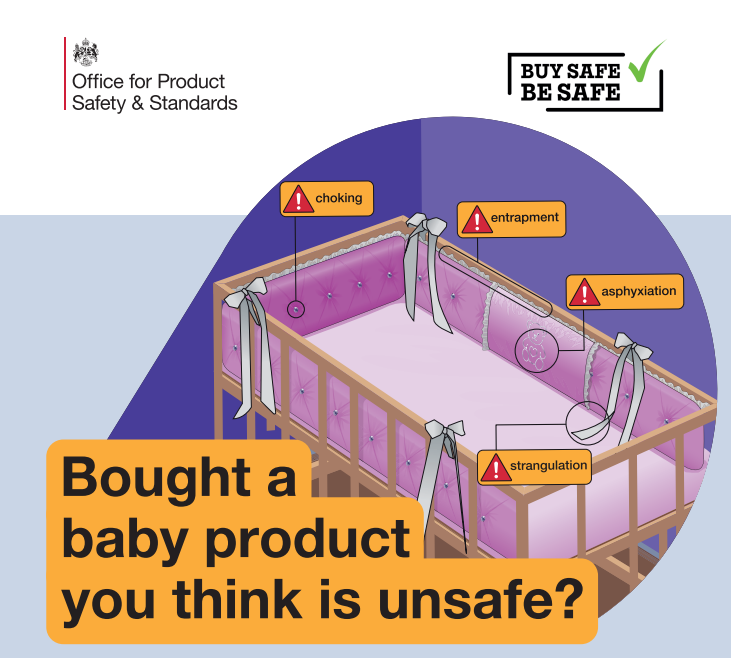
The Office for Product Safety and Standards (OPSS) developed a set of resources to help families and practitioners identify unsafe baby sleep products. These materials were created in partnership with The Lullaby Trust and Netmums, aimed at supporting anyone buying items for babies under 12 months.
The resources highlight that some products sold online may be unsafe and provide clear guidance on what to look for. OPSS also produced a simple checklist for parents and carers, covering key points such as how to choose safe baby sleeping bags, what safety labels to check, and where to buy products safely.
These resources are intended for parents, carers, and professionals who work with families, helping them make informed, safer choices about baby sleep products.
Lullaby Trust Resources
 The Lullaby Trust raises awareness of sudden infant death syndrome (SIDS), provides expert advice on safer sleep for babies and offers emotional support for bereaved families. Their website has a wealth of information and resources categorised as below.
Professionals Hub
 Helping you protect babies and support grieving families. The Lullaby Trust works closely with health and social care professionals to help keep babies safe and to ensure that families receive the best possible emotional and practical support following a bereavement.